
Don't File That Wind Claim Until You Read This
4 Mistakes That Get Commercial Roof Claims Denied in Northwest Indiana, And How to Make Sure Yours Isn't One of Them. You're about to negotiate with a company that does this 10,000 times a year. You do it once. Maybe twice. How do you think that goes?

🔲 The adjuster's scope is not your scope. They visit once, write what they see, and leave. Seam separation, membrane lift, insulation compression, invisible from a walkthrough, absent from the report, unpaid.
🔲 Documentation is the claim. "I've got roof damage" hands the adjuster a smaller number to work from. GPS photos, measurements, and a contractor assessment before you file. That's what changes the outcome.
🔲 The first number is a starting point. Scope, pricing, causation, all negotiable. Carriers expect supplements. Building owners who don't submit one fund the carrier's margin.
🔲 Put someone on your side of the roof. A contractor who walks with the adjuster and points out what the report is about to miss. In Northwest Indiana, that difference can be six figures.
Bill's $187,000 Lesson
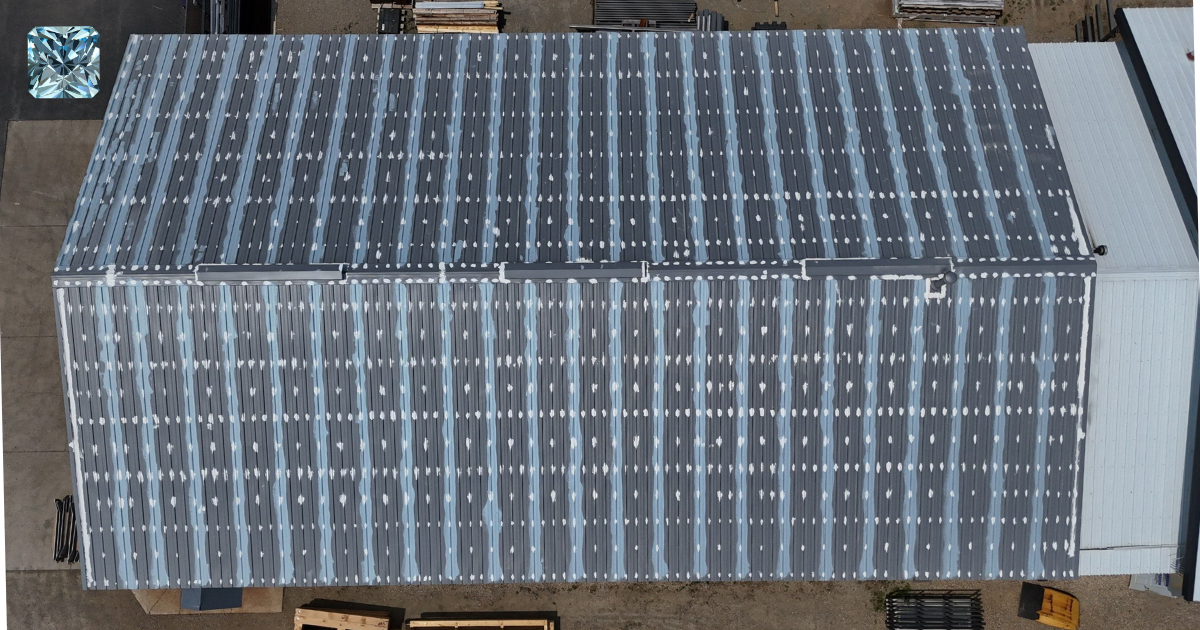
Bill owns a 28,000-square-foot warehouse in Northwest Indiana. After a late-November windstorm, his foreman noticed water staining on the interior ceiling near the east parapet wall. Bill called his insurance carrier the next morning.
That's where the mistakes started.
He filed the claim himself. He described the damage based on what he could see from the ground. He let the carrier's adjuster walk the roof alone. And when the adjuster came back with a payout number that covered about 40% of the actual damage, Bill accepted it.
He didn't know he could challenge it. He didn't know the adjuster's scope missed two entire sections of membrane separation along the east edge. He didn't know that the interior damage documented by his foreman extended further than the ceiling tiles showed.
Bill left $187,000 on the table. Not because the carrier cheated him. Because nobody on his side knew how to document, scope, and advocate for the full extent of the damage.
He did everything himself. Just like he always does. Turned out the same way it usually does.
Mistake #1: Filing the Claim Without a Professional Roof Inspection First
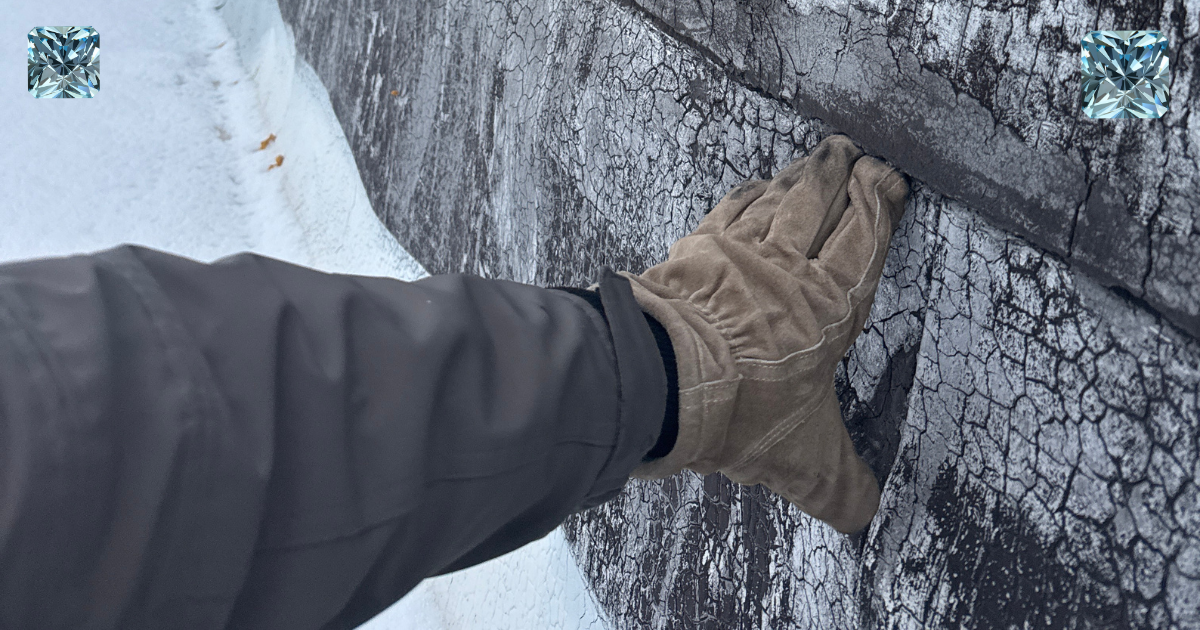
This is the most expensive mistake a building owner can make, and it happens almost every time.
The carrier's adjuster works for the carrier. Their job is to assess damage accurately, but their scope is limited to what they observe during their visit. If membrane damage isn't visible from a walkthrough, it doesn't go in the report. If insulation compression under the membrane isn't tested, it doesn't get documented. If the adjuster doesn't pull up flashings or check seam integrity along wind-exposed edges, those items don't exist in the claim file.
A qualified commercial roofing contractor inspects differently than an adjuster. They know where wind damage hides on flat roofs. They check seam integrity at parapet walls, HVAC curbs, and field-to-edge transitions. They test for moisture that hasn't surfaced yet.
Getting a professional inspection before the claim is filed gives you a full picture of the damage. Getting one after the adjuster has already scoped the loss means you're negotiating uphill.
In Northwest Indiana, where lake-effect moisture and freeze-thaw cycles accelerate membrane stress, damage that looks minor from a quick walkthrough can run deep. That's exactly what adjusters miss. That's exactly what a trained roofing contractor finds.
Mistake #2: Describing Damage You Haven't Documented

Insurance carriers run on documentation. Photos. Measurements. Written descriptions tied to specific locations on the roof. If it's not documented, it didn't happen.
When a building owner calls the carrier and says "I've got roof damage from the storm," the claim opens based on that description. If the description is vague, the adjuster arrives with vague expectations. If it understates the damage, the adjuster's scope starts from an understated baseline.
Before you make that call, you should have GPS-tagged photos of every damaged area, measurements of affected sections, documentation of interior damage tied to specific roof locations, and a written assessment from a qualified roofing contractor.
This isn't about gaming the system. It's about making sure the system has accurate information to work with. Carriers don't pay for damage they don't know about.
✉️ Is Your Roof Telling You Something the Adjuster Won't?
If you've had a windstorm in the last 12 months and you haven't had a professional inspection, there may be damage in your claim file that was never documented.
Subject Property Address: ___________________________
FREE evaluation. The address is the only thing we need to start.
[ Email address ] → [ Send Me the Real Stuff ]
Mistake #3: Letting the Adjuster Walk the Roof Alone
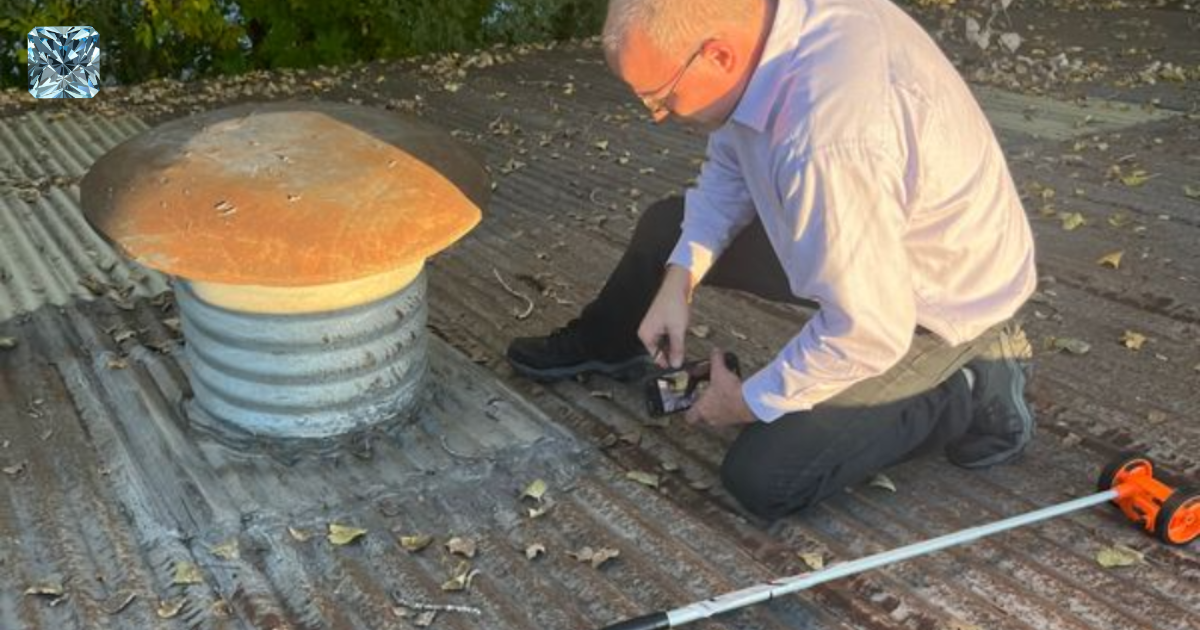
The carrier's adjuster is a professional. But they're visiting your roof once, for a limited time, often with dozens of other claims on their schedule that week.
When your roofing contractor walks the roof with the adjuster, they can point out damage that isn't immediately visible. They can explain how specific failure patterns connect to the wind event. They can demonstrate that membrane separation at a parapet wall is storm-related, not wear-and-tear.
Without someone on your side during that walkthrough, the adjuster documents what they see. And what they see might be 60% of the actual damage.
You wouldn't go to a tax audit without your accountant. You shouldn't go into a six-figure roof claim without your roofing contractor standing next to the adjuster on that roof.
In Northwest Indiana, where commercial flat roof leaks follow predictable storm damage patterns, an experienced contractor can connect the dots between a December wind event and membrane failure at the seams. Adjusters don't always make that connection on their own.
Mistake #4: Accepting the First Number

Adjusters calculate payouts based on their scope of damage, their line-item pricing, and their assessment of what's storm-related versus pre-existing. Every one of those variables is negotiable.
If the adjuster's scope missed two sections of damage because they weren't visible during the walkthrough, that's a scope issue. If their line-item pricing uses rates below what actual commercial roofing contractors charge in Northwest Indiana, that's a pricing issue. If they categorize membrane damage as pre-existing wear when it's actually storm-related separation, that's a causation issue.
Building owners who accept the first number without review are leaving money on the table. Sometimes a lot of money.
A qualified roofing contractor can compare the adjuster's scope against their own inspection, identify discrepancies, and prepare a supplement, a formal request for the carrier to re-evaluate specific line items or add undocumented damage to the claim.
This is not adversarial. It's how the process is designed to work. Carriers expect supplements. They respond to them. The building owners who don't submit them are the ones who fund the carrier's margin.
Why You Need an Advocate, Not Just a Contractor
There are people who do this for a living. Not adjust claims, advocate for building owners within the claims process.
They understand carrier language. They know what triggers re-inspection. They know how to present supplemental documentation in a format the carrier has to respond to. And they work on the building owner's behalf, not the carrier's.
We work alongside claims advocacy professionals specifically because the gap between what carriers initially offer and what the damage actually costs is often significant. For a 28,000-square-foot building in Northwest Indiana, that gap can be six figures.
If you're the type of business owner who handles everything yourself, ask this: how did the last ten business decisions you made entirely on your own turn out? And why are you doing it again?
Let professionals do their profession. That's not weakness. That's the job.
Superior menu options exist.
Commercial Wind Damage Claim FAQs
Should I file a roof insurance claim before or after getting an inspection? After. A professional roof inspection gives you full documentation of all storm-related damage, including damage that isn't visible from the ground or during a quick walkthrough. Filing before you have this information means the carrier's adjuster sets the scope, and their scope may understate the damage.
Can I be present when the insurance adjuster inspects my roof? Yes, and you should be, or have your roofing contractor there. A qualified contractor can identify damage patterns the adjuster may miss during a single visit and make sure the scope reflects the full extent of storm damage.
What is a supplement in a roof insurance claim? A supplement is a formal request to the insurance carrier to re-evaluate specific line items, add undocumented damage, or adjust pricing in the claim. It's a standard part of the commercial claims process, and carriers expect to receive them. Building owners who don't submit supplements often accept payouts that fall short of actual repair costs.
How long do I have to file a wind damage claim on my commercial roof? Policy language varies, but most commercial policies require prompt notice of loss. The sooner you document and file, the stronger your position. Waiting months after a storm event gives the carrier grounds to question whether the damage is storm-related or the result of ongoing deterioration.
What's the difference between an insurance adjuster and a claims advocate? The adjuster works for or on behalf of the insurance carrier. Their job is to assess and document damage within the carrier's framework. A claims advocate works on behalf of the building owner, making sure the claim accurately reflects the full scope and cost of the damage. Both have a role in the process, but only one is looking out for your bottom line.
What types of flat roof damage are most commonly missed in wind claims? Seam separation at parapet walls, membrane lifting along HVAC curbs, and insulation compression beneath the field membrane are the three failure points adjusters most often miss. None of these are visible from a ground-level inspection. All three affect the cost of a proper repair.
Does deferred roof maintenance affect my wind damage claim? It can. Carriers can deny or reduce payouts when records show the owner had prior written notice of a defect and did not act. A documented maintenance history strengthens your position. An undocumented roof with visible wear gives the carrier room to reframe storm damage as pre-existing deterioration.
How much can a supplement recover on a commercial wind claim? It varies by scope and carrier, but the difference between an initial payout and a properly supplemented claim on a large commercial flat roof in Northwest Indiana can run five to six figures. The supplement process exists for exactly this reason. Use it.

✉️ If you've had a windstorm in the last 12 months, and your building has a flat or low-slope commercial roof in Northwest Indiana, there may be damage you haven't found yet.
Subject Property Address: ___________________________
Drop the address below. We'll evaluate the roof, document everything, and give you a clear picture before you talk to anyone. FREE evaluation.
[ Email address ] → [ Send Me the Real Stuff ]
Pristine Industrial Roofing — Serving commercial and industrial property owners across Lake County and Porter County. Liquid-applied Conklin coating systems. FLEXION vinyl membranes. Proactive maintenance programs.