
How Your Roof Type Affects Your Insurance Claim
Not All Roofs Are Created Equal, And Neither Are Your Insurance Chances. The adjuster who shows up on your roof already knows what to look for. The question is whether you do too.
- Roof Type Dictates Claim Success. tPo and spray foam roofs show the most visible storm damage, while EPDM excels in wind events, and built-up/torch-down roofs require expert documentation to get approved.
- Documentation Is Everything. Close-up photos, scale references, and evidence tied to a specific weather event can make or break a claim, especially on subtle systems like BUR, torch-down, and liquid-applied roofs.
- Age Matters. Older membranes give adjusters more leeway to classify damage as wear and tear rather than storm-related, making maintenance records and roof history critical.
- Claims Can Add Value. A successful insurance claim can fund a full roof replacement, creating a documented, warranted system that increases property value for future owners.
You've made it to Article 3. You understand what insurance covers and what kills a claim before it starts. You know the sequence, advocate first, adjuster second, filing last. Now we get specific.
Because here is something most building owners never think about until they're standing in a conference room with a denial letter, the roofing system on your building does not just determine how well it performs in a storm. It determines what the adjuster is looking for, what evidence survives scrutiny, and whether your claim has a viable path forward before a single photo is taken.
Different membranes fail differently. Different materials absorb different kinds of punishment. And the damage that wins a claim on a tPo roof looks nothing like the damage that wins a claim on a rubber roof, or a foam roof, or a built-up system. Understanding your system is not about becoming a roofing expert overnight. It is about walking into this process with realistic expectations and the right questions already loaded.
tPo, The Most Common Roof on the Block, and the Most Litigated
Let's start here because statistically, this is where most of you live.
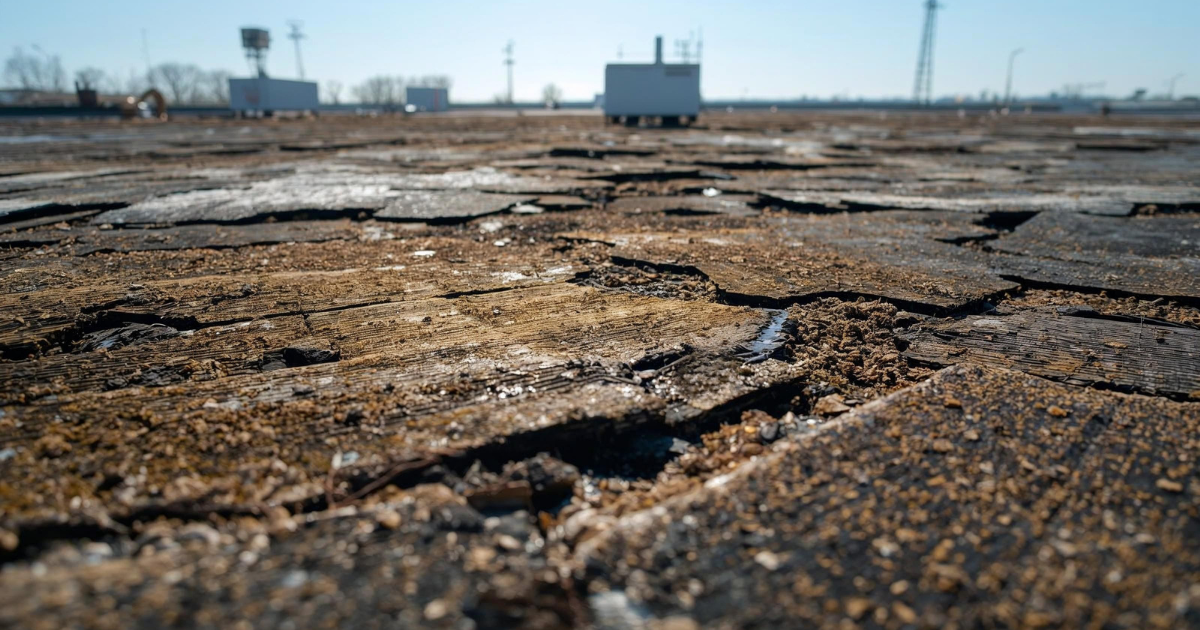
tPo, thermoplastic polyolefin, or as we have been calling it, Tipo, became the dominant commercial flat roofing membrane over the past two decades largely on the basis of cost. It was cheap to manufacture, cheap to install, and easy to sell. What the sales pitch did not emphasize was what happened to it after a decade of UV exposure, thermal cycling, and freeze-thaw stress in lake-effect climates like Northwest Indiana.
tPo becomes brittle. Not immediately, gradually, season by season, expansion and contraction working on the membrane at a molecular level until the material that was once flexible enough to accommodate building movement starts cracking under impact stress. When a hailstone hits a brittle tPo membrane, it does not bounce off. It fractures it. Cracks. Punctures. Surface cratering that goes straight through to the insulation layer underneath.
This is why hail claims on tPo roofs are among the most common and, when properly documented, among the most successful. The damage is specific, patterned, and directly tied to a weather event in ways that adjusters recognize. The key word is documented. A tPo membrane showing hail damage requires close-range photography with scale references, a ruler, a coin, something that gives the desk adjuster a size reference when they're reviewing the file from a corporate office somewhere that is not Hammond, Indiana. The impact pattern needs to be consistent with the hailstone size recorded in weather data for the date of loss. Consistency is what separates covered damage from general wear.
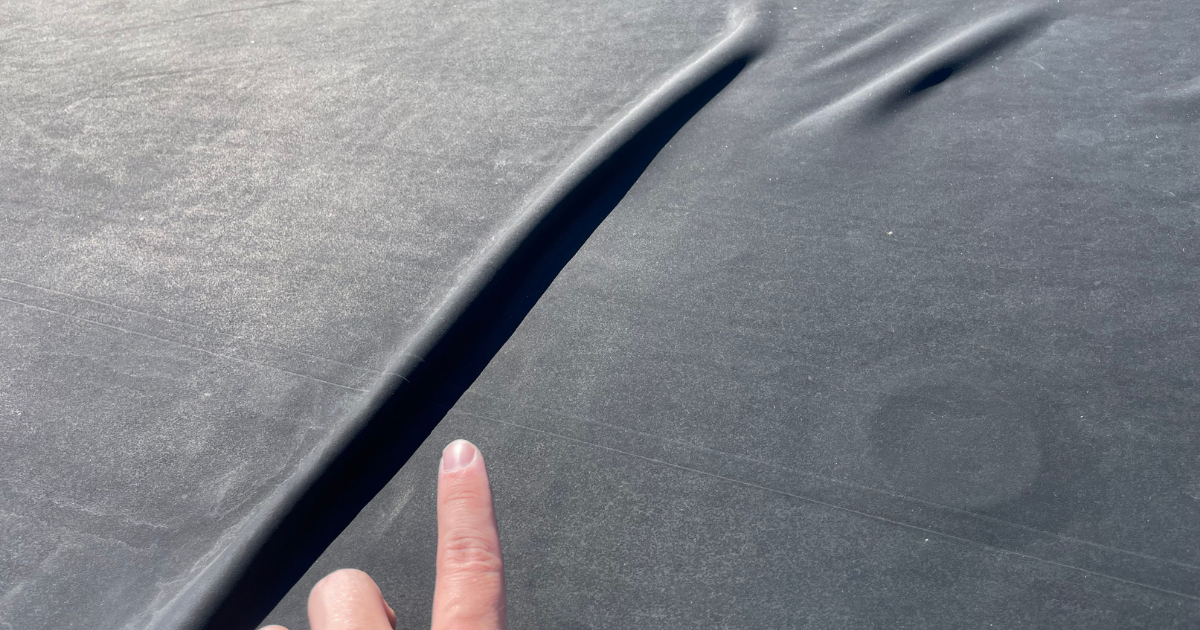
The seams are the other vulnerability on tPo, and the other claim pathway. Heat-welded seams that have cycled through enough winters start to delaminate. Wind gets underneath a delaminated seam and the rip lift is fast and catastrophic. Corner and edge separation on tPo roofs is extremely common across the Calumet region, and when it connects to a documented wind event, it is a legitimate covered loss.
Superior menu options exist. But if tPo is what you have, let's at least understand what it can do for you in a claim.
EPDM, The Rubber Roof That Shrugs at Hail and Tears in the Wind
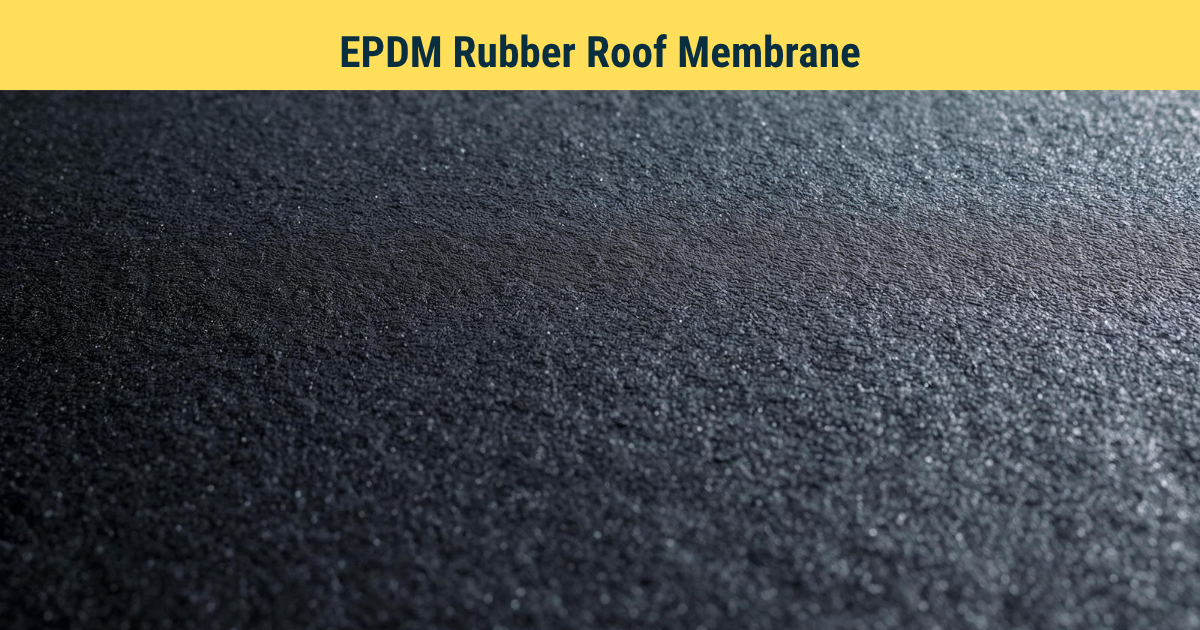
EPDM, ethylene propylene diene monomer, which nobody calls that, is rubber. It behaves like rubber. When a hailstone hits it, the membrane absorbs the impact and flexes rather than fracturing. This makes EPDM significantly more resilient to hail damage than tPo, and it is one of the reasons rubber roofs have maintained a loyal following among building owners in high-hail regions.
Here is the tradeoff, rubber is highly susceptible to wind. Specifically, to wind rip lift at corners, edges, and along parapet walls, the same physics that work against every flat roof, but with a particular weakness in EPDM's adhesion system. Fully adhered EPDM holds better, but mechanically attached and ballasted systems can begin to lift and peel when sustained wind loads work against the perimeter detail. In the Great Lakes corridor, where pressure systems off Lake Michigan produce wind events that outperform national weather model predictions on a regular basis, this is not a theoretical vulnerability.
If you own an EPDM roof and you experienced a significant wind event in the Portage, Hobart, or Merrillville area, the first inspection point is the corners. Look for membrane pulling away from the parapet wall. Look for edge metal lifting or separation. Look for any sign that the perimeter bond has been compromised. That is your claim pathway. Document it before anything else.
One additional note on EPDM, the material's dark color and surface texture make visual assessment harder than on lighter membranes. A qualified roofing professional who knows what EPDM failure patterns look like is not optional here, this is a system where the untrained eye misses things that the adjuster's trained eye will not.
Built-Up Roofing and Torch-Down - Durable, But Not Invincible
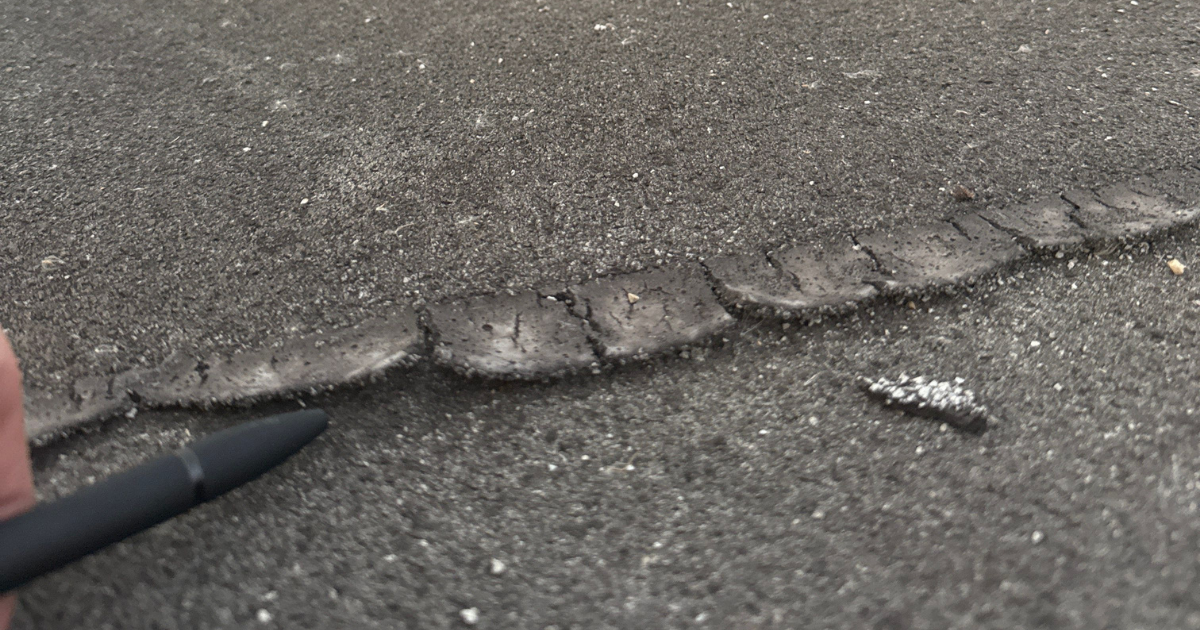
Built-up roofing, BUR, is the original commercial flat roof system. Multiple layers of reinforcing fabric and bitumen, sometimes topped with a mineral cap sheet, built up over decades of refinement into one of the most durable assemblies in commercial roofing. Torch-down modified bitumen follows a similar philosophy: layers, redundancy, mass.
These systems do not fail dramatically. They fail slowly and quietly, which is both their strength and their claims complication.
A tPo membrane hit by hail shows you punctures. An EPDM membrane hit by wind shows you lifted corners. A BUR system shows you... less. The damage indicators are subtler, the evidence requires a more experienced eye to identify and document, and adjusters who are accustomed to the visible drama of a tPo hail claim sometimes struggle to quantify damage on a multi-layer bituminous system.
This does not mean BUR and torch-down roofs cannot be successfully claimed. It means the documentation standard is higher and the advocate you bring to the adjuster inspection needs to know the specific failure signatures of these systems, granule displacement on cap sheets, blister formation from moisture intrusion, splitting and alligatoring at penetrations, and how to frame them in carrier language that translates into an approved scope.
If you have a BUR or torch-down system and you believe you have storm damage, do not attempt to self-assess and self-report. The gap between what you see and what the adjuster sees on these roofs is where claims go to die.
Liquid-Applied Systems — Claimable, But the Timeline Matters
Liquid-applied coatings, acrylic and urethane systems like those in the Conklin lineup, protect and extend the life of existing roof assemblies through spray-applied chemistry that goes on wet and cures into a seamless, monolithic membrane. They are excellent systems. No seams means no seam failures, which eliminates one of the primary failure modes of every membrane system on this list.
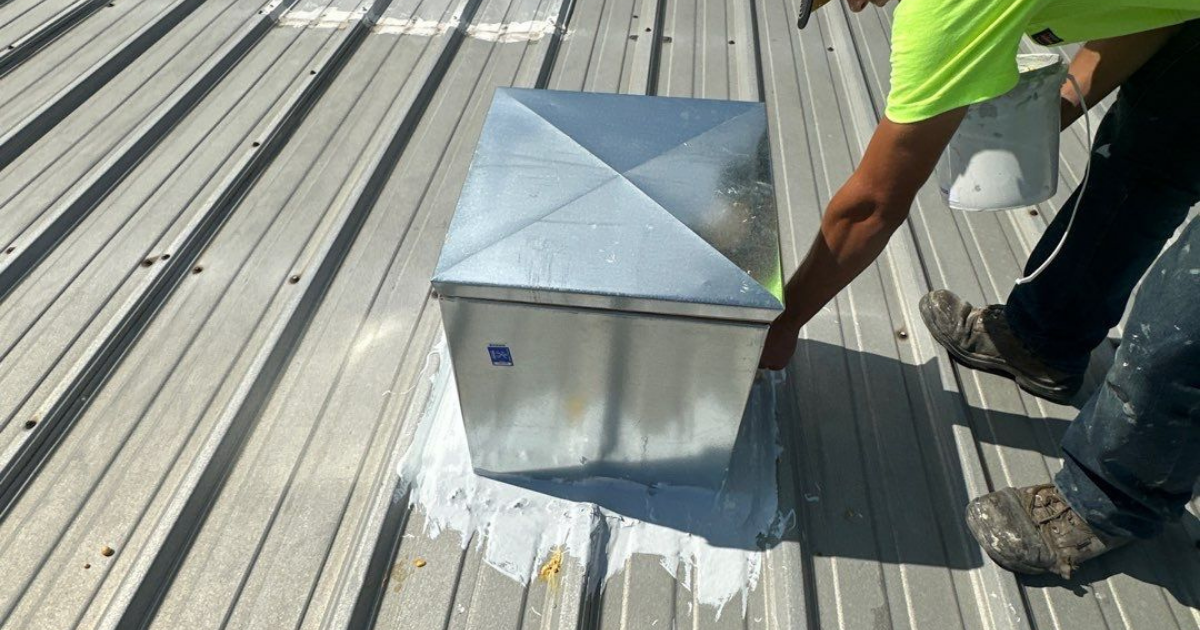
Hail damage on a liquid-applied system presents as small rips, divots, or cratering of the coating surface. These are claimable, but the documentation requirement is demanding, because the visual difference between hail impact and coating degradation from UV exposure or foot traffic is not always obvious to an untrained eye. The claim lives or dies on two things: a specific date of loss tied to a documented weather event, and close-in photography that distinguishes impact damage from general surface wear.
This is also where the liquid vs. membrane distinction matters for your claim strategy. A Conklin liquid-applied system carries a warranty of up to 20 years, 10 years maximum on metal substrates. That warranty is specific to the liquid system. It does not apply to FLEXION vinyl membrane, which is an entirely separate product with an entirely separate warranty structure. If you are navigating a claim on a liquid-applied roof and a contractor starts referencing membrane warranties interchangeably, that is a signal to ask harder questions.
Spray Foam — High Claim Potential, Hard Conversation After
Spray polyurethane foam roofs are, in many ways, an engineering achievement. Seamless. Excellent insulation value. Self-flashing at penetrations. The problem is the protective coating over the foam, typically an acrylic or silicone topcoat, is thin. Extremely thin. And when hail penetrates that coating and reaches the foam underneath, the damage cascades fast.
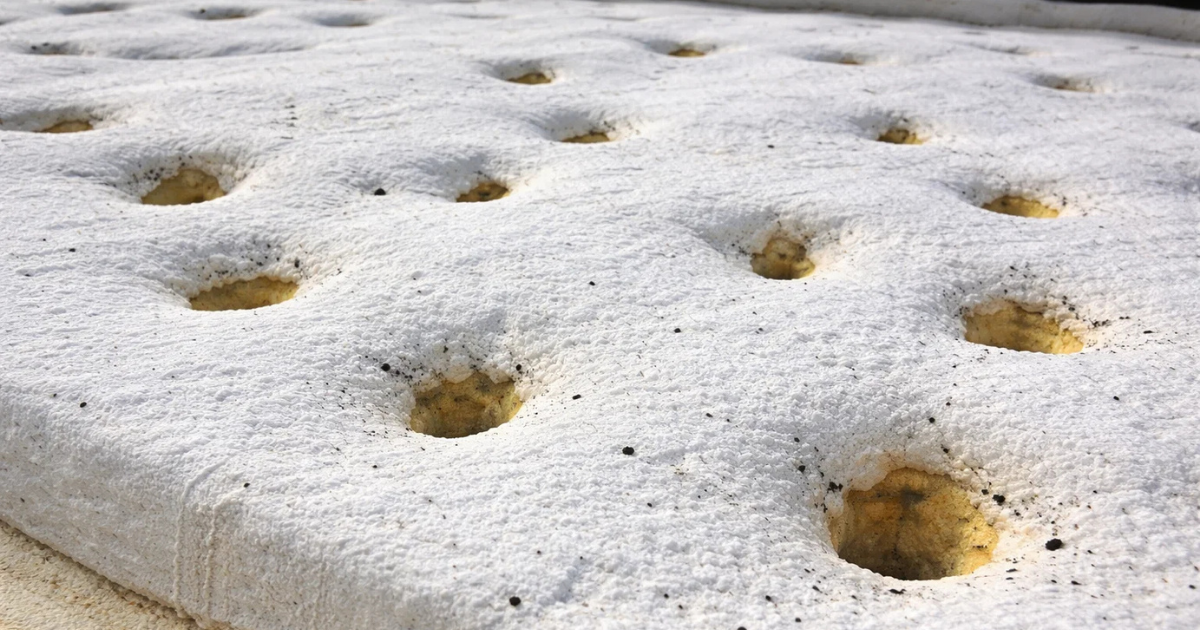
Foam absorbs water. Once the protective skin is breached, the foam beneath acts as a sponge, pulling moisture inward, expanding and contracting with temperature changes, and deteriorating from the inside out in ways that are invisible from the surface until they are catastrophic. If you have a foam roof with documented hail damage, the claim potential is real and often significant. The impact evidence is typically clear and patterned, and the connection to a weather event is not hard to establish.
The harder conversation is what comes after. Compromised foam roofs are not candidates for patch-and-move-on solutions. The foam that has been wet needs to come off. Patching over saturated foam is not a repair, it is a delay that accelerates the underlying deterioration and creates a liability that the next inspection will find anyway. A successful claim on a foam roof is the beginning of a total replacement conversation, not the end of a repair conversation.
✉️ You're not sure what you have up there, or what it's worth in a claim.
That’s exactly what a FREE assessment answers.
Subject Property Address: ___________________________
We identify the system. We evaluate the damage. We tell you straight.
[ Email address ] → [ Send Me the Real Stuff ]
Know Your System Before the Adjuster Does
There is a version of this process where the adjuster arrives on your roof knowing more about your roofing system than you do. He knows what failure patterns he is looking for. He knows which damage indicators are covered events and which ones are maintenance issues. He has seen this system fail this way before. And he has a framework for categorizing what he finds before he ever climbs the ladder.
The building owners who win claims are not necessarily the ones with the best roofs. They are the ones who showed up to that inspection with the same level of preparation. They know their system. They know its specific vulnerabilities. They know what documented storm damage looks like on that membrane versus what age-related wear looks like. And they have an advocate standing next to the adjuster who can speak to those distinctions in real time, in the language the carrier uses internally.
That preparation does not happen the morning of the inspection. It happens before the claim is filed, when a qualified roofing professional gets on the roof, identifies the system, assesses the damage pattern, and builds the evidence file that the adjuster will encounter, rather than the other way around.
Roof Type and Insurance Claims
Q: Does my roof type affect whether my commercial insurance claim gets approved?
A: Yes, directly. Different roofing systems show storm damage differently, and adjusters are trained to evaluate damage patterns specific to each material. A hail claim on a tPo membrane looks nothing like a hail claim on EPDM or spray foam. Knowing your system before the adjuster arrives determines whether the evidence you present tells the right story.
Q: Which commercial roof type is most likely to result in a successful hail claim?
A: tPo and spray foam roofs show the most visible and documentable hail damage. tPo develops fractures and punctures that are clearly tied to impact events. Spray foam suffers coating penetration that is equally specific. EPDM absorbs hail impact and rarely punctures, making wind the more viable claim pathway for rubber roofs.
Q: Can a liquid-applied coating roof be claimed for hail damage?
A: Yes, but the documentation bar is higher. Hail damage on a liquid-applied system presents as divots and surface cratering that must be clearly distinguished from UV degradation and general wear. Tying the damage to a specific, documented weather event with close-in photography is essential.
Q: What is the hardest commercial roof system to make a successful insurance claim on?
A: Built-up roofing and torch-down systems are the most challenging, because the damage indicators are subtle and require a more experienced eye to identify and document. This does not mean claims are impossible, it means the advocate and documentation quality matter more than on any other system.
Q: Why does spray foam roof damage require full replacement rather than repair?
A: When hail or impact damage breaches the protective coating on a spray foam roof, the foam beneath begins absorbing moisture immediately. Saturated foam deteriorates from the inside out, and the damage is invisible on the surface. Patching over compromised foam traps moisture and accelerates the underlying failure, making full replacement the only durable resolution.
Q: Does the age of my roofing membrane affect what the adjuster will approve?
A: Significantly. An aged tPo membrane that has already lost elasticity gives the adjuster room to argue that what looks like hail damage is actually thermal cracking from UV exposure. A newer, well-maintained membrane on the same building with the same storm damage produces a much cleaner claim. Age is not an automatic disqualifier, but it narrows the adjuster's interpretation options — which is why maintenance records matter so much.
Q: If I don't know what type of roof I have, can I still file a claim?
A: You can file, but you should not. Not knowing your roofing system means not knowing what evidence to document, what failure patterns are covered, or what the adjuster is going to focus on when he gets up there. A free pre-claim assessment identifies your system, evaluates the damage, and tells you what you actually have before you commit to a claims process that could work against you.
The Roof the Next Owner Will Inherit

Here is a frame that does not get discussed enough in the insurance conversation: what your roof decision today does to the value of your building tomorrow.
A commercial property with a documented, warranted roofing system, one with a paper trail of inspections, a manufacturer-backed warranty, and a clear installation record, is a different asset than one with a mystery membrane of indeterminate age and no service history. Buyers know this. Lenders know this. And when a property transaction gets to the due diligence phase, the roof is one of the first things that gets scrutinized.
A successful insurance claim that funds a full roof replacement is an opportunity disguised as a headache. The building comes out the other side with a new system, a new warranty, and a paper trail that adds to, rather than discounts, the asset value. That is the outcome a well-built claim produces. Not just a roof. A better building.
✉️ You're roof type determines your claim strategy. Let’s find out what you’re working with.
Subject Property Address: ___________________________
The roof doesn’t lie. Neither do we.
[ Email address ] → [ Send Me the Real Stuff ]
Pristine Industrial Roofing — Serving commercial and industrial property owners across Lake County and Porter County.
Liquid-applied Conklin coating systems. FLEXION vinyl membranes. Proactive maintenance programs.
Valparaiso | Hammond | Portage | Merrillville | Hobart | Gary
This is the final article in our commercial roof insurance series. If you missed the earlier pieces, Will Insurance Cover My Commercial Roof? The Hard Truth, and How to Build a Winning Commercial Roof Claim, they're worth the read before you make any moves.
Read other blog:

We Love Conversations
 SoHelpful@PristineIndustrialRoofing.com